
The geopolitical situation has led to greater caution in the use of cloud services
Åbo Akademi University has not rushed to adopt the cloud, as the university is accustomed to providing its own ICT services. The adoption of cloud services is guided by practical realities, such as costs, integrability, and ease of maintenance. The geopolitical situation is also currently influencing decision-making, says Päivi Soinio, Head of ICT.
Åbo Akademi produces almost all of its ICT services in-house, and public cloud services complement the university’s own IT infrastructure.
“We have built an extensive data center and server environment, which is why the transition to the cloud has progressed slowly. When we implement new solutions, SaaS is often a natural choice, but we do not migrate existing systems to the cloud without a clear benefit,” says Päivi Soinio, Head of ICT at Åbo Akademi.
According to Soinio, factors such as service availability, integrations, costs, and maintenance play a key role in the university’s decisions regarding cloud services. Cloud services reduce maintenance work but also require a new set of skills from the Åbo Akademi organization, which is accustomed to providing services in-house.
“New systems are often cloud-native, which means there are practically no alternatives. Well-functioning integrations and total costs influence these decisions. For example, storing large amounts of data in the cloud can be significantly more expensive than in an in-house environment.”
Åbo Akademi is Finland’s only Swedish-language multidisciplinary university. The university, which operates in Turku and Vaasa, employs approximately 1,200 people and has nearly 6,000 students. An organization of about 40 experts is responsible for ICT operations.
At Åbo Akademi, the use of public cloud services is also evaluated from the perspective of the data being processed and legal requirements. The handling of confidential research data and personal information imposes strict constraints on cloud usage.
“We must be very careful about what information we put in the cloud. The geopolitical situation has further increased the need for risk analysis and caution.”
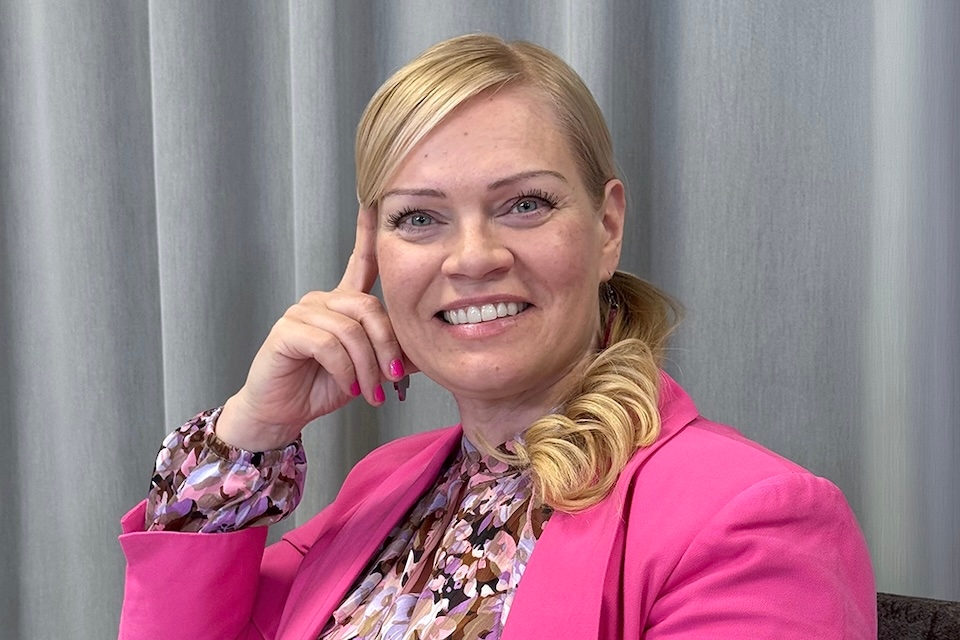
Päivi Soinio, ICT Director, Åbo Akademi
Päivi Soinio holds a Master of Science in Information Technology and is an alumnus of Åbo Akademi. She has over 25 years of experience in the ICT sector, having held various roles ranging from software development to service production and international business management. Soinio is responsible for all of the university’s ICT services, from physical infrastructure to software, hardware, and customer support. She considers ICT procurement a key means of advancing Åbo Akademi’s sustainability goals.
Sustainability has become a central part of our operations, including in ICT. We are a major public procurement organization, and the choices we make have tangible impacts.
Päivi Soinio , ICT Director, Åbo Akademi
"It is important to discuss the role and significance of sustainability in procurement with the various units within our organization so that we share a common understanding of it.”
The sustainability criteria for public procurement are largely defined in framework agreements. When multiple organizations operate based on the same criteria, the impact extends far beyond individual purchases. On a practical level, sustainability is particularly evident in the management of equipment lifecycles.
“In addition to responsible procurement, it is important for us to ensure the continued usability of equipment. Used equipment is directed either toward reuse or for further utilization, for example, as components and raw materials.”