
IT in Arts
Andrejs Bušenko works behind the scenes at National School of Arts of Latvia, where day-to-day operations, practical decisions, and long-term planning all come together. When he talks about technology, it is not about following the latest trends. It’s about making sure things work smoothly so people can focus on their jobs without unnecessary obstacles.
Most of our processes are centralized, and that shapes how we work with technology on a daily basis. It creates stability, but at the same time it limits flexibility,” says Andrejs Bušenko, Project Manager at National School of Arts of Latvia. Over time, the organization has moved from a more flexible, locally managed setup to a centralized system where most IT-related decisions are defined at a higher level. “For less experienced users, this is helpful because it reduces the risk of mistakes. For more advanced users, it can feel restrictive, as there is very little room for independent action,” he explains.
There should be more trust in employees. Not every small action should require approval.
Andrejs Bušenko, Project Manager, National School of Arts of Latvia
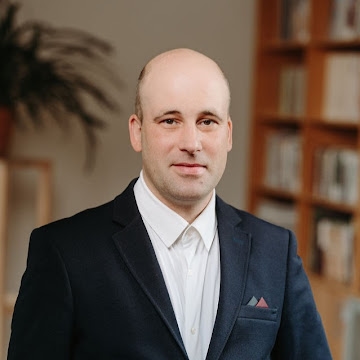
Andrejs Bušenko, Project Manager, National School of Arts of Latvia
When it comes to IT spending, decisions are made within a broader budget for goods and services rather than through a dedicated IT allocation. “We evaluate what we can afford based on available resources. If there are urgent needs, such as repairs, those take priority. Any remaining funds are usually used toward the end of the year for additional improvements,” Andrejs Bušenko says. At the same time, additional funding from the Ministry can support specific purchases, such as new equipment. However, rising costs, particularly for utilities, continue to reduce flexibility and limit investment opportunities.
When asked about priorities, the answer is simple: computer equipment remains a consistent focus. “Hardware needs to be updated regularly, especially in areas where specialized software is used. In some cases, performance is critical for daily work,” he notes. Technological advancements also influence decisions, with older solutions gradually being replaced by more modern alternatives as needs evolve.
A key challenge in the current setup is the speed of problem resolution. “Even simple technical issues can take longer to resolve because everything goes through a centralized process involving multiple departments,” he says. This marks a clear shift from earlier systems, where local responsibility allowed for faster responses. While centralization ensures consistency and control, it can also slow down day-to-day operations and create unnecessary complexity.
Budget constraints add further pressure. “We have a defined budget, but external factors, such as rising costs, directly affect what we can and cannot afford. There are also mandatory expenses that must be covered regardless of the situation,” Andrejs Bušenko explains. This requires constant prioritization, where essential needs take precedence over long-term improvements.
Looking at his daily work, he highlights the need for a more balanced approach between control and usability. “There should be more trust in employees. Not every small action should require approval,” he says, noting that excessive restrictions can slow down processes without significantly improving security. In his view, systems should maintain necessary safeguards while still allowing employees to work efficiently, with trust in their capabilities.